

Best Single-Family Property Managers in Southeastern WI
Est. Read Time: 5 min
Category: Property Management
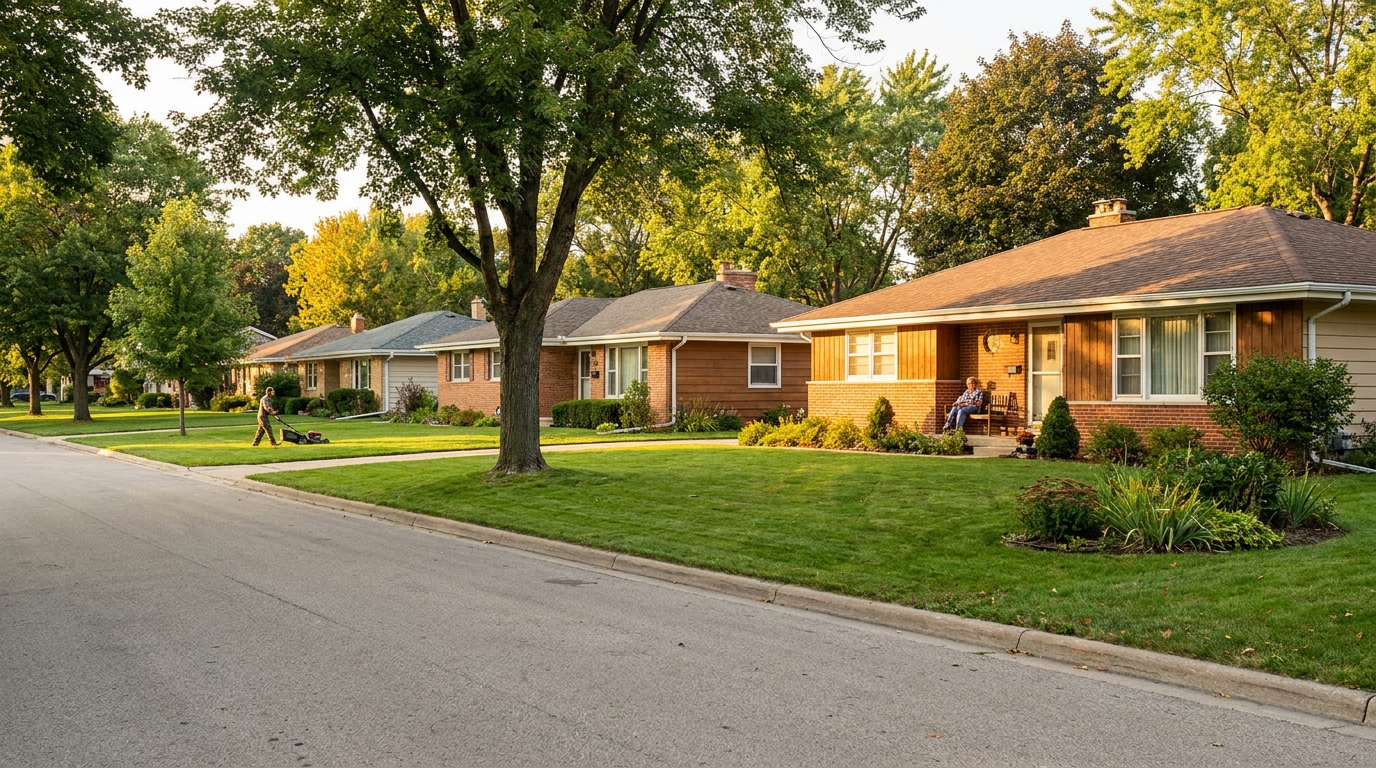
Finding the best property managers for single-family rental investors in southeastern Wisconsin requires checking specific local qualifications. Top firms hold an active real estate broker license and enforce Wis. Stat. § 66.0809 municipal utility rules. They charge 8% to 10% of gross monthly rent and deliver proven maintenance oversight for detached homes across Rock, Dane, Walworth, and Jefferson counties.
Why Single-Family Rentals Demand Different Management Expertise
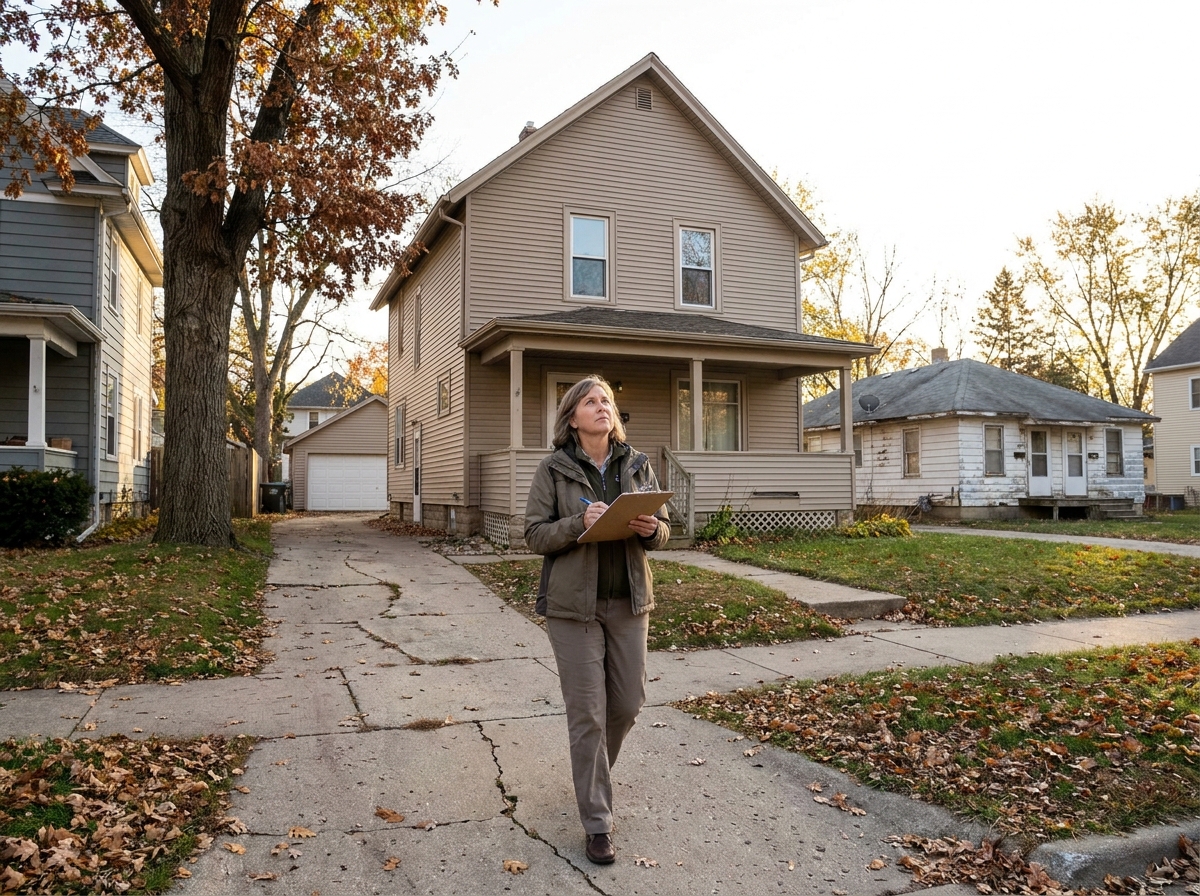
Single-family properties carry liabilities that apartments do not. A detached rental house requires private yard maintenance, public sidewalk snow removal, and gutter cleaning. Multi-family property managers often struggle with detached residences because they lack the field oversight required for scattered-site maintenance. An apartment block shares one roof and one main sewer line. A portfolio of ten single-family homes has ten roofs and ten separate basements to monitor.
These homes require individualized preventative care. If gutters overflow on a single-family house, the water dumps near the foundation and threatens the basement. Failing to monitor a residential sump pump during the spring thaw leads to expensive water damage.
Licensing acts as your first layer of protection when hiring a management firm. Anyone negotiating, leasing, or promoting rental real estate for compensation on behalf of an owner in Wisconsin must hold an active Real Estate Broker license or be an affiliated licensed salesperson. This license ensures the company is legally authorized to manage third-party funds and sign leases on your behalf.
Single-Family Property Management Fee Benchmarks in Southern Wisconsin
Standard monthly management fees across the region range from 8% to 10% of gross rents collected. These fees usually cover routine owner reporting, rent collection, and fielding tenant maintenance calls. You need to understand these baseline costs to evaluate a management contract effectively.
Tenant placement costs cover the marketing, property showings, and applicant screening required to fill a vacancy. Expect to pay between 50% to 100% of one month's rent. Some firms charge a flat fee to find and place a new tenant instead of a percentage. Lease renewal pricing usually involves a smaller flat fee to cover the administrative work of negotiating and drafting the new agreement.
Review the management agreement closely for hidden costs. Some companies add vacancy charges when a property sits empty, meaning you pay a fee even when you collect no rent. Others write in eviction administrative surcharges or attach heavy percentage markups to every vendor maintenance invoice. Talk to a CPA to understand how these varying fee structures impact your annual return on investment.
Wisconsin Landlord-Tenant Law Compliance for Investors
Under Wis. Admin. Code ATCP 134.06, landlords must return security deposits or provide an itemized list of deductions within 21 calendar days after the tenant vacates. Missing this 21-day deadline exposes property owners to double damages and attorney fees. Before accepting a deposit, landlords must also notify tenants in writing that they have at least 7 days after move-in to inspect the unit and report pre-existing damage.
Routine carpet cleaning and lawn care present specific challenges for single-family investors. Deductions from security deposits for non-statutory items require an individually signed separate document titled Nonstandard Rental Provisions (NSRP). Without a properly executed NSRP document, you cannot legally deduct money for specialized carpet cleaning or tenant-neglected snow removal.
Applicant screening and eviction notices carry specific statutory limits. Wisconsin law caps residential tenant screening credit report fees at the actual cost incurred, up to a maximum of $25 per applicant. If a tenant stops paying rent on a lease of one year or less, landlords must serve a 5-day notice with the right to cure before terminating the tenancy under Chapter 704. Talk to an attorney to ensure your eviction notices follow all statutory timelines.
Managing Winter Property Risks and Municipal Utility Liens
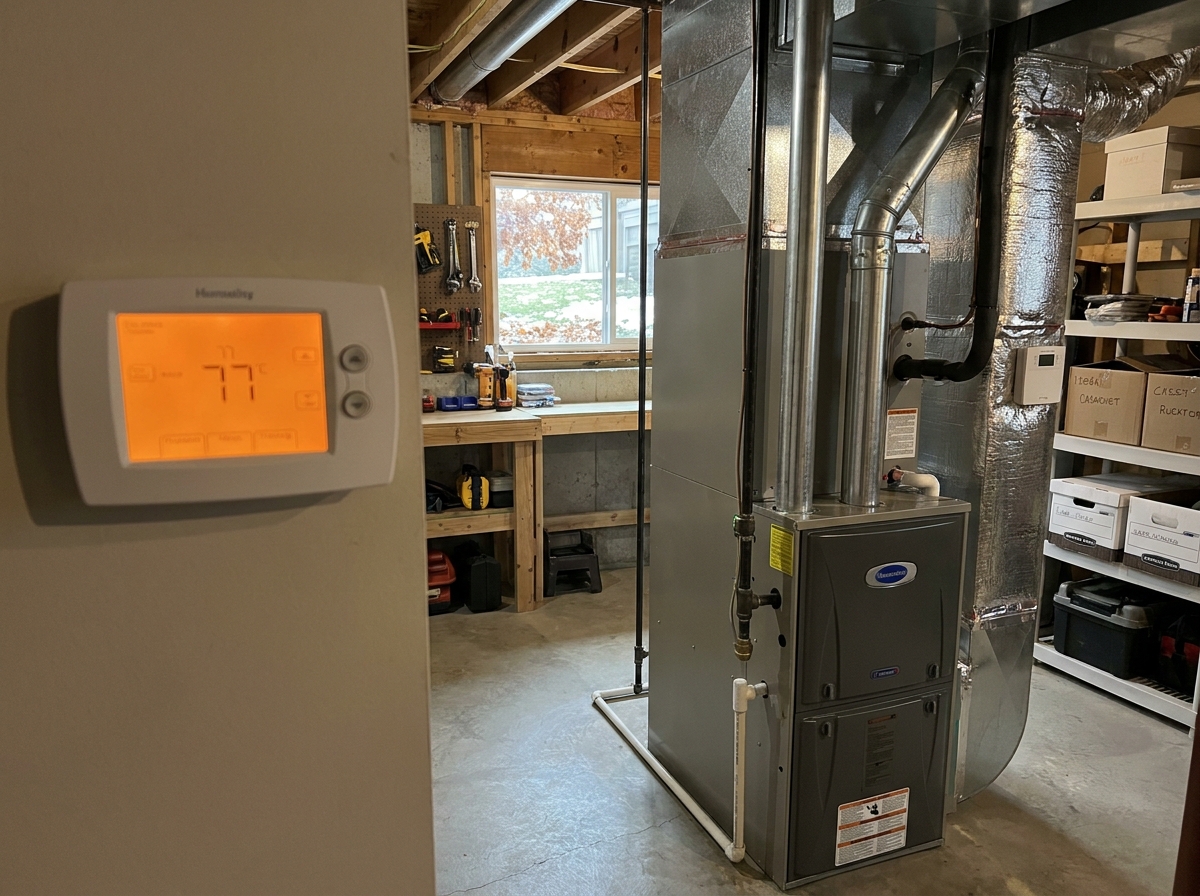
Southern Wisconsin winters threaten single-family homes with frozen pipes, ice dams, and heating failures. Under ATCP 134.04(2)(b)2, Wisconsin rental properties must feature heating equipment capable of maintaining an indoor temperature of at least 67 degrees Fahrenheit in all living spaces year-round. Property managers must enforce thermostat safety floors during severe cold weather so tenants do not turn the heat off completely when leaving town. Public Service Commission (PSC) cold-weather disconnection rules prevent utilities from shutting off heat in winter. Managers must still physically verify that vacant units maintain proper temperatures.
During winter turnovers, managers oversee rigorous protocols to protect the physical property. This includes blowing out domestic pipes, draining water heaters, and winterizing exterior hose bibs. If your properties need winterization repairs, you can request an estimate from our Wisco Handyman division to handle the preventative maintenance.
Delinquent tenant water and sewer balances become a direct liability for the property owner. Wisconsin municipal utilities can place these unpaid balances as tax liens on an owner's property tax bill under Wis. Stat. § 66.0809 unless statutory notice protocols are followed. A dedicated management team actively files timely landlord-tenant utility notices to shield your property tax roll from this tenant debt.
Regional Ordinance Differences Across Southern Wisconsin Counties
Managing scattered-site single-family homes requires hyper-local operational knowledge. Snow removal and lawn ordinances affect rental owners in Rock and Dane counties differently based on the exact municipality. Janesville requires property owners to clear public sidewalks within 12 hours after a winter weather event. Madison strictly enforces a noon deadline the day following the snow event. Failing to meet these municipal deadlines results in fines and city-contracted clearing bills mailed directly to the property owner.
Rural single-family rentals in Walworth and Jefferson counties often rely on private septic systems (POWTS) and private wells. These utilities require specialized routine inspections and maintenance tracking that city properties never encounter. Your management team must know when to schedule mandatory county septic pumping and how to monitor well water quality tests for tenant safety.
Before hiring a single-family property manager, ask for specifics. Reviewing the questions owners ask us can help you interview any firm. Ask how they track municipal utility accounts, and request a blank copy of their Nonstandard Rental Provisions document. Verify their broker license status on the state website. Confirm exactly how they structure their fees for tenant placement and lease renewals to avoid surprises later.
Work With Wisconsin Property Managers
As a local property management company based in Janesville, Wisconsin Property Managers oversees rental units across Rock, Dane, Walworth, and Jefferson counties. Our team understands the specific demands of single-family rental management. We track municipal water bills, handle harsh winter turnovers, and complete repairs through our in-house maintenance division.
We work directly with rental property owners to protect their investments and maintain clear communication. If you need practical, reliable oversight for your single-family homes, contact us to discuss our property management services.